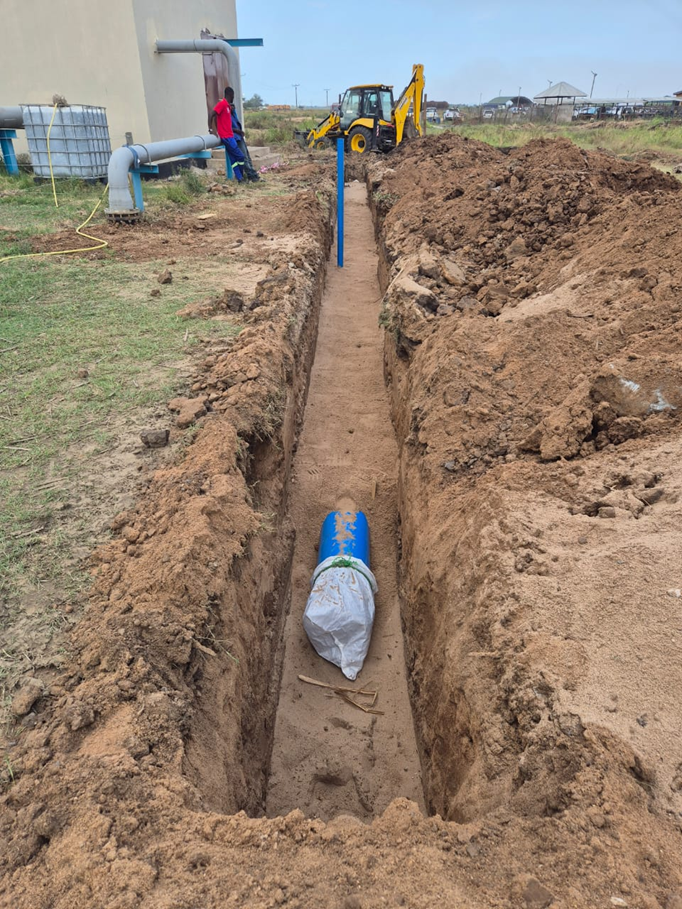
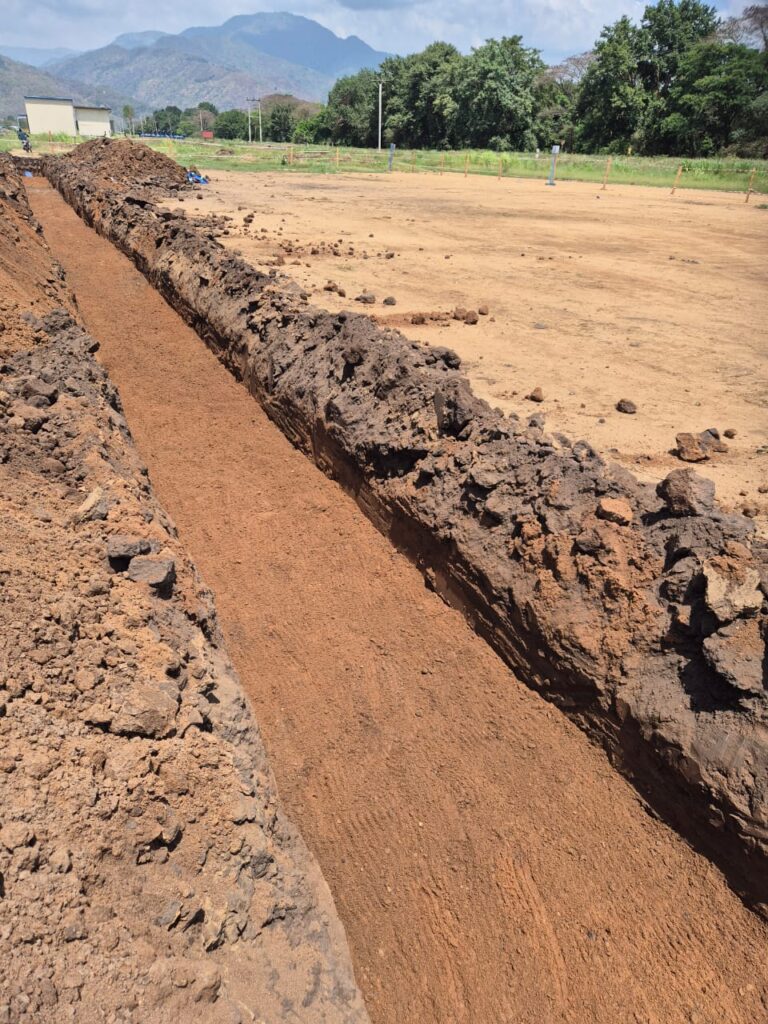
Construction is where design becomes reality: the concrete, pipes and steel that shape a project. Yet the physical work on site is only half of the equation. Without robust contract administration and trained site engineers to convert contractual responsibilities into daily choices, even good site work and design can lead to cost overruns, delays, and disputes.
The link between the site and the office
Successful projects depend on a seamless interaction between what happens on the ground and how the project is administered from the office. Contract administration provides the framework: timetables, payment rules, quality standards and change procedures, while site engineers make those rules operational: verifying progress, recording variations, and assuring quality at the point of execution. When that link is strong, risks are controlled proactively, and the project proceeds with clarity and confidence.
MBB’s approach
MBB delivers integrated project management services that combine contract administration with hands-on site supervision. Over the past year, MBB has provided construction supervision, contract administration and overall project management in East Africa. The location provides various challenges: three unique wet seasons, stringent country import procedures, and customers who must maintain operations throughout construction, and the usual shocks – unanticipated subsurface conditions, scope modifications and the human dynamics of a busy site.
MBB’s role has been to manage this intricate web of contractual obligations while keeping delivery on track. That means rigorous document and schedule control, disciplined change management, careful payment administration, continuous quality assurance, and active claims mitigation – all coordinated with the Contractor’s site teams and their management who implement the work.
The Engineer as the project’s facilitator
The Engineer and his site staff are more than the designers and technical checkers; they are the project’s operational conscience. Key responsibilities include:
- Translating contract to action: interpreting specifications and ensuring the Contractor’s work aligns with contractual requirements.
- Regular verification: confirming quantities, progress and quality before payments are authorised.
- Quality gatekeeping: performing inspections and audits to prevent rework and protect long-term value.
- Change evaluation: assessing the technical and schedule impact of variations and feeding accurate information into the contract process.
- Stakeholder coordination: keeping the client, Contractor and office-based administrators aligned through clear, timely reporting.
When engineers are empowered and supported by strong contract administration, it reduces ambiguity, accelerates decisions and helps avoid disputes that erode budgets, timelines and relationships.
Common challenges and practical best practices
Many problems arise from misunderstandings of contract terms or from failing to manage risk early. Typical pitfalls include poor communication and inadequate monitoring, which can lead to disputes, poor-quality work or overpayments. To prevent these outcomes, MBB recommends:
- Understand the contract: administrators and engineers must study the specific contract terms rather than applying generic rules.
- Centralise documentation: use digital systems to store, track and version-control all project documents.
- Proactive risk management: identify tight schedules, supply chain constraints, and inexperienced subcontractors early.
- Adopt a relational approach: uphold contractual rights while maintaining constructive relationships to resolve issues efficiently.
Construction succeeds when the office and the site operate as one team. By elevating the role of the Engineer and pairing it with disciplined contract administration, MBB helps clients protect value, reduce friction and deliver projects on time and on budget.