

Construction sites have a way of repeating the same questions across different projects, teams, and meetings. Most of them come down to simple misunderstandings around materials, roles, and terminology. Here’s a quick, structured breakdown to shed some light on a few them.
1. Principal Agent vs Project Manager – Who does what?
Easy confusion, big difference:
- Principal Agent: Contract watchdog, ensures compliance and contract administration
- Project Manager: Drives time, cost, and coordination
Think of it as: PA = referee, PM = captain.
2. Roof Sheeting & Side Cladding – What, how and why?
Roofing systems are often misunderstood, but the differences are actually quite logical once broken down.
2.1. Fixing Methods
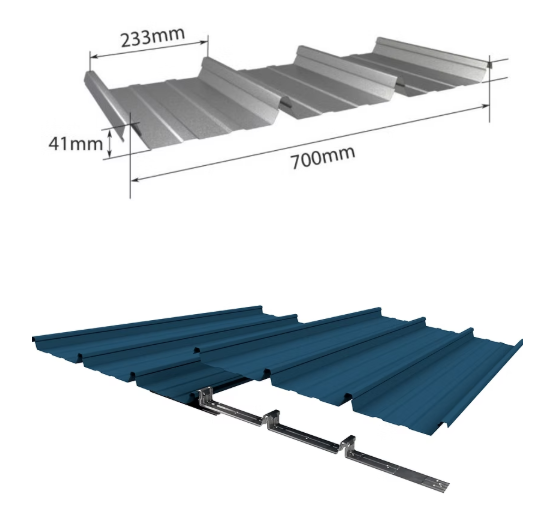
- Concealed fixing systems: Fasteners are hidden below the sheet profile, giving a cleaner appearance and improved weather tightness.
- Pierced fixing systems: Screws pass through the sheet into the purlins, with washers and sealants used to maintain waterproofing.
2.2. Roof Profiles (Shape Matters)
- IBR (Inverted Box Rib): A trapezoidal / box-profile sheet
- Can be pierced fixed OR concealed fixed, depending on the system and manufacturer
- Different suppliers (e.g. Safintra, GRS) offer proprietary concealed systems under their own names and detailing methods.
- Corrugated: (S-shaped) profile
- Only installed as a pierced fixing system
- Simpler profile, widely used for agricultural and light industrial applications
2.3. Sheet Material & Finishes
- Galvanised steel – base material before finish applied (Steel sheet with zinc layer)
- Chromadek – Factory-coated steel combining corrosion protection and colour in a single system. Provides corrosion protection and colour. Available in different coating systems depending on inland or coastal exposure conditions.
- Sheet thickness – specified according to rigidity and span capability (based on purlin spacing)
2.4. Suppliers & Systems –
Suppliers such as Safintra, GRS, and similar manufacturers provide more than individual sheets — they supply complete roofing systems.
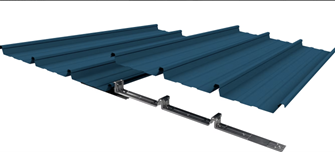
Figure 1 – IBR Sheet (Concealed Fix Example)
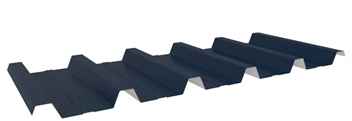
Figure 3 – IBR Sheet (Pierced Fix Example)
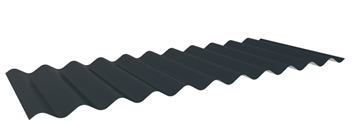
Figure 4 – Corrugated Sheet (Pierced Fix Example)
3. Not all bricks are equal – what’s the difference?
- NFX (Non-Facing Extra): Stock brick, requires plaster, commonly used in foundations (superior durability for damp conditions)
- NFP (Non-Facing Plastered): Stock brick, Also requires plaster finish, used in general wall construction
- Semi-face brick: Can be left exposed, but with less strict aesthetic consistency — often used for boundary or utilitarian exposed walls
- Face brick: Designed for exposed finishes, consistent appearance, available in various colours and textures
4. Quote vs Estimate – Not the same thing
- Estimate: A preliminary cost indication based on available information and historical cost data — subject to change
- Quote: A fixed price offer from a contractor or supplier for defined scope and conditions
If you treat an estimate like a quote… the budget will treat you back.
5. 30MPa vs 25MPa Concrete – It’s not just “stronger”
Did you know the difference isn’t just strength, but performance under pressure?
- Mpa: measures the force required to break the concrete.
- 25MPa: Commonly used in general residential construction such as strip footings, and light-duty elements under normal conditions
- 30MPa: Higher durability mix, better suited for heavier loading, exposed conditions, and longer service life requirements
That extra 5MPa can be the difference between “fine” and “future-proof”.
6. Why install floor mesh (and how to do it correctly)
Floor mesh is not there for decoration.
6.1. Why it’s used:
- Helps control and distribute shrinkage cracking
- Improves load distribution across the slab
- Adds tensile reinforcement within the concrete matrix
6.2. How it’s installed:
- Placed on spacers (chairs) to sit within the upper third of the slab
- Overlapped at joints (typically one full square or as specified)
- Tied properly to prevent movement during the pour
- Kept off the ground to ensure it actually works in the concrete, not under it


